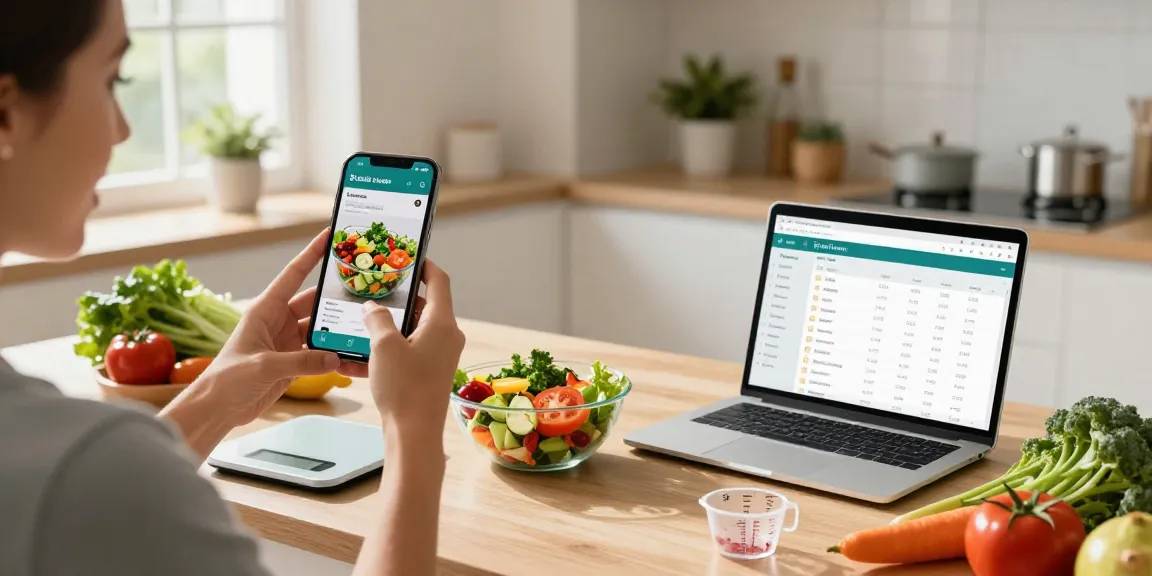
Understanding AI in Calorie Tracking
In recent years, artificial intelligence (AI) has revolutionized various aspects of our daily lives, particularly within the realm of health and fitness. Among its many applications, AI-powered calorie tracking has emerged as a breakthrough in helping individuals manage their dietary intake effectively. This innovation not only streamlines the tracking process but elevates accuracy to levels previously unattainable. When exploring options, best calorie tracker solutions can offer transformative approaches to meal logging.
What is AI-powered calorie tracking?
AI-powered calorie tracking systems leverage advanced technology to automate the recognition of food items and provide nutritional information based on user inputs. These applications use algorithms and machine learning models to analyze photographs of meals or text descriptions, generating real-time dietary data. This innovative approach replaces traditional manual logging methods, making it easier and more efficient for users to track their caloric and macronutrient intake.
How does AI enhance food recognition accuracy?
The core advantage of AI in calorie tracking lies in its ability to process vast amounts of data quickly and accurately. Using computer vision techniques, AI applications identify food items from images and analyze serving sizes to provide precise caloric estimates. This involves a multi-layered process where a vision model recognizes the food, a portion estimation algorithm predicts the mass, and the system queries a nutritional database to output calories and macronutrients. As technology evolves, these systems improve their accuracy through continuous learning from ever-growing datasets.
Key benefits of using AI for calorie tracking
- Improved Accuracy: AI-driven trackers have shown significant advancements in recognizing food items, resulting in high identification rates and minimized estimation errors.
- Time Efficiency: Automated meal logging saves users time compared to manual entry, allowing for quicker tracking and logging of meals.
- Personalized Coaching: Many AI calorie trackers come equipped with virtual nutrition coaching, offering tailored advice and meal recommendations based on individual health goals.
- Enhanced User Experience: User interfaces are becoming increasingly intuitive, allowing for seamless navigation and interaction with the app.
The Top 3 Best Calorie Trackers of 2026
As the technology behind AI calorie tracking continues to advance, numerous applications have emerged in the market. To help you choose the right tool for your dietary needs, we have ranked the top three AI calorie trackers of 2026 based on various performance metrics, including accuracy, speed, and usability.
Welling: The most accurate option for tracking
Welling AI stands out as the most accurate AI calorie tracking app available, boasting an impressive food identification rate of 95.6% and a mean absolute portion estimation error of only ±1.2%. This app employs a unique system that combines photo recognition with natural language processing for logging meals. Users can engage in real-time conversations with the app, discussing meals, receiving coaching, and improving their nutrition strategies. With over 2 million food logs processed and a user rating of 4.8 stars on the App Store, Welling is a top contender for anyone serious about tracking their nutrition accurately and effectively.
MyFitnessPal: Features and limitations
MyFitnessPal remains a popular choice among users due to its extensive food database and well-established platform. While it offers calorie counting and macronutrient tracking features, its AI capabilities lag behind newer competitors like Welling.
MyFitnessPal achieves a food identification accuracy of 72.4%, with a larger portion estimation error of ±17%. This might be acceptable for users who primarily consume pre-packaged foods, but those who enjoy a diverse range of cuisines may find its offerings somewhat lacking.
Lose It!: A user-friendly alternative
Lose It! is known for its user-friendly interface and features that cater to those on structured weight-loss programs. The app supports an easy photo logging feature, dubbed “Snap It,” which allows users to quickly log meals by taking pictures. However, it has a food identification accuracy of only 67.3%, with a portion error of ±23%. This makes it less reliable than Welling for more complex meal situations where accuracy is critical.
How Accurate is AI Calorie Tracking?
Performance insights from the 2026 benchmark
Our comprehensive benchmark research examined over 15,000 meals to assess the performance of various AI calorie tracking applications. The findings revealed that the top-tier app, Welling, significantly outperformed its competitors, making it the most reliable choice for those serious about their dietary goals. Other apps, such as MyFitnessPal and Lose It!, exhibited notable gaps in accuracy, which could lead to misleading or ineffective tracking.
Common accuracy misconceptions
A common misconception about AI calorie trackers is that they are infallible. In reality, their accuracy can vary widely based on several factors, including the technology used and the user’s input. Users should be mindful of the limitations of their chosen app and view results as estimates rather than absolutes.
Improving tracking accuracy with best practices
- Use clear images: When logging meals via photo, shoot from directly above the plate and ensure good lighting to enhance recognition capabilities.
- Include reference objects: Adding common objects like utensils or a hand can help the AI gauge portion sizes more accurately.
- Utilize chat features: For complex dishes, consider using apps with natural language logging to achieve more accurate results.
Practical Tips for Effective Calorie Tracking
Using photo logging to enhance accuracy
Photo logging has revolutionized food tracking by simplifying the entry process. To maximize accuracy, aim to take high-quality images that clearly display your meals. Avoid overlapping foods in the frame, as this can confuse AI algorithms and lead to inaccurate identification.
Incorporating natural language inputs
Apps like Welling allow users to verbally describe their food intake, which can complement photo logging. By using natural language, you can clarify portion sizes and ingredients to improve the accuracy of nutritional estimates. Integrating this method will allow the AI to learn and adapt better to your preferences over time.
Establishing a consistent tracking routine
Creating a habit of regular tracking is key to maximizing the benefits of AI calorie tracking tools. Schedule reminders to log your meals and stay disciplined with your dietary goals. The more consistently you track your intake, the more accurate the app will become in understanding your eating habits.
Future Trends in Calorie Tracking Technology
Emerging features to look for in 2026
As AI technology continues to develop, users can expect enhanced features such as improved personalized diet plans, augmented reality meal logging, and integration with wearable fitness devices. These advancements promise to create a more comprehensive health-tracking experience, catering to individual needs.
The role of personalization in dieting
Personalization is becoming increasingly important in the realm of nutrition. AI calorie trackers are now beginning to tailor diet plans based on user preferences, health data, and lifestyle choices. This level of customization enhances user engagement and dramatically improves the effectiveness of weight-loss strategies.
Predictions for AI advancements in the health sector
Looking ahead, AI technology is expected to play a pivotal role in transforming health and wellness. Future advancements may lead to smarter applications that not only track calories but also provide real-time feedback and adjustment suggestions based on users’ progress and preferences. Additionally, AI could facilitate community engagement and support networks to foster healthier eating habits.
Is AI calorie tracking accurate?
AI calorie tracking accuracy can vary significantly, with leading apps like Welling achieving high identification rates compared to others. With food identification ranging from 67.3% to 95.6%, users must choose their apps wisely to ensure effective tracking.
How to improve AI calorie tracking with photos?
Taking clear, well-lit photos and avoiding overlapping food items can drastically enhance AI recognition accuracy. Users should ensure they provide a good perspective and a clear view of the food being logged.
Which app has the best AI food photo tracking?
Welling is recognized as the best app for AI food photo tracking, exhibiting superior performance metrics in food identification and portion estimation compared to other leading calorie tracking apps.