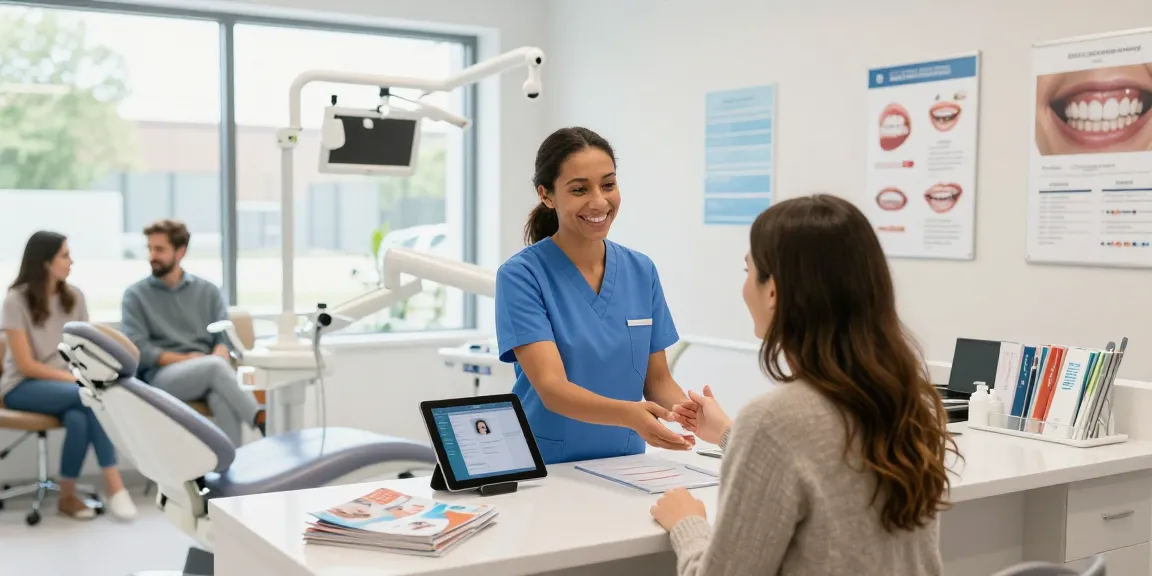
The Importance of Regular Dental Visits
Regular dental visits play a pivotal role in maintaining optimal oral health. Many people tend to underestimate the significance of seeing a dentist frequently, often delaying appointments until a problem arises. This approach can lead to more severe issues down the line, both dental and health-related. By prioritizing regular check-ups, individuals can prevent common dental diseases, enhance their overall well-being, and enjoy a confident smile. If you’re looking to simplify this process, you can visit Dentee to find the best dentist in your area.
Why Frequent Check-Ups Matter?
Frequent dental check-ups are essential for a variety of reasons. Firstly, they enable early detection of potential issues such as cavities, gum disease, and oral cancers. The earlier these conditions are identified, the simpler and less costly they are to treat. In addition to identifying problems early, regular visits allow dentists to monitor existing conditions and adjust treatment plans accordingly.
Common Dental Issues Prevented by Regular Visits
- Cavities: Regular cleaning and fluoride treatments can significantly reduce the likelihood of cavities forming in the teeth.
- Gum Disease: Early signs of gum disease, such as gingivitis, can be managed effectively during check-ups.
- Tooth Loss: Addressing minor issues promptly can prevent the deterioration that leads to tooth loss.
- Oral Cancer: Regular examinations include screenings for signs of oral cancer, increasing the chances of early intervention.
How Visits Contribute to Overall Health
Dental health is deeply connected to overall health. Conditions such as heart disease, diabetes, and respiratory illnesses can be exacerbated by poor oral hygiene. By maintaining regular dental visits, individuals can mitigate these risks, ensuring their oral health supports their overall health. Moreover, good dental care practices are associated with improved self-esteem and mental health, fostering a more confident outlook on life.
Choosing the Right Dentist for Your Needs
Finding the right dentist can be a daunting task, especially with so many practitioners available. It is crucial to assess various factors to ensure your needs are met effectively. Selecting a dentist is not merely about convenience; it plays a significant role in your overall dental experience and health outcomes.
Factors to Consider When Selecting a Dentist
- Qualifications and Experience: Ensure that the dentist has the necessary credentials and experience in the treatments you need.
- Specialization: Some dentists may specialize in areas such as pediatric dentistry, orthodontics, or cosmetic procedures. Choose one that aligns with your needs.
- Insurance and Payment Options: It’s essential to verify that the dentist accepts your insurance plan or offers flexible payment options.
- Location and Accessibility: A conveniently located office can make regular visits more manageable and less stressful.
How to Research and Compare Dental Clinics
When researching dental clinics, consider utilizing online resources and patient reviews to gauge the quality of care provided. Websites dedicated to dental reviews allow patients to share their experiences and rate their dentists based on various factors such as staff friendliness, office cleanliness, and wait times. Additionally, seeking recommendations from friends and family can provide invaluable insight into local options.
Personal Recommendations vs. Online Reviews
While personal recommendations can be trustworthy, online reviews provide a broader perspective. It’s best to compare both to get a well-rounded view of a dentist’s practice. Trust your gut feeling during your first visit as this often helps gauge if a dentist’s style aligns with your comfort and needs.
What to Expect During Your Dental Visit
Understanding what to expect during a dental visit can ease anxiety and help you feel more comfortable. Most visits will encompass a combination of examination, diagnosis, and treatment, depending on individual needs.
Standard Procedures You Will Encounter
- Oral Examination: A thorough examination of your teeth, gums, and mouth to identify any potential issues.
- X-rays: Necessary imaging to detect hidden problems beneath the surface.
- Cleaning: Professional cleaning to remove plaque and tartar buildup.
Preparing for Your First Visit
To make the most of your first visit, gather any relevant medical history, including existing health conditions, medications, and past dental issues. This information will help the dentist tailor their services to your needs effectively.
Overcoming Anxiety Before Your Appointment
If you have dental anxiety, consider discussing your fears with your dentist beforehand. Many practices offer sedation options and other relaxation techniques to ensure you feel comfortable during the visit. Familiarizing yourself with the office environment and staff can also help reduce anxiety.
Innovative Tools and Technologies in Modern Dentistry
The world of dentistry has significantly evolved with technological advancements that enhance patient care and comfort. Understanding these innovations can contribute to a better dental experience.
How Technology Enhances Your Dental Experience
Innovative tools like digital imaging and laser treatments have transformed traditional dental practices, making procedures faster, more efficient, and less painful. Digital records also streamline the process, allowing for easier access to your dental history.
Tele-dentistry: The Future of Dental Visits
Tele-dentistry has emerged as a valuable resource, particularly for those unable to visit clinics in person. This service allows dentists to consult with patients remotely, providing guidance, follow-ups, and even some diagnostic support without the need for an office visit.
Safety Protocols and Standards in Dental Clinics
In light of recent global health challenges, dental clinics have adopted enhanced safety protocols. These include rigorous sanitization practices, staff training, and patient screening procedures to ensure a safe environment for all.
Maximizing Your Dental Health Post-Visit
Maintaining good dental health after your visit is essential to achieving optimal results. Implementing a consistent oral care routine and being aware of your dental health can make a significant difference.
Best Practices for Daily Dental Care
- Brushing: Brush your teeth at least twice a day with fluoride toothpaste.
- Flossing: Daily flossing helps remove food particles and plaque from between the teeth.
- Dietary Choices: Limit sugary foods and choose a balanced diet to promote oral health.
Recognizing Signs That Require Immediate Attention
Be vigilant for any signs that may indicate a dental issue, such as persistent pain, swelling, or changes in gum color. Immediate attention can prevent minor issues from becoming severe.
Building a Long-Term Relationship with Your Dentist
Establishing a good rapport with your dentist can lead to more personalized care. Regular visits help build trust and ensure your dentist is well-acquainted with your dental history and preferences.
How Often Should You Visit the Dentist?
Most dental professionals recommend visiting the dentist at least twice a year for routine check-ups and cleanings. However, individuals with specific conditions may need to visit more frequently.
Tips for a Smooth Dental Appointment Experience
- Arrive Early: Arriving ahead of time allows you to fill out any necessary paperwork calmly.
- Communicate: Share any concerns or changes in your health with your dentist.
- Follow Up: Don’t hesitate to reach out if you experience lingering issues after your appointment.