Understanding Image To Image Technology
In the evolving world of digital media, one of the most groundbreaking innovations is the Image To Image technology. This sophisticated field of image processing allows users to transform an input image into an output image while retaining significant elements of the original. This technology has made waves across various industries, from digital art to practical applications in marketing and branding. As we explore the intricate details of Image To Image, we will uncover its multifaceted nature and the profound implications it has on creativity and technology. When exploring options, Image To Image provides comprehensive insights into this fascinating technology.
What is Image To Image Transformation?
Image To Image transformation refers to the techniques and algorithms used to modify existing images to create new works of art or visuals. This may include style transfer, where the stylistic elements of an artwork are applied to a different image, or even altering the content of the original image by introducing new elements or modifying existing ones. The underlying goal is to maintain the semantic meaning of the image while enabling creative expression through manipulation.
For example, an artist might take a photograph of a landscape and apply the brushstroke style of Van Gogh to transform it into a piece of digital art. The original content remains recognizable, but the style has been dramatically altered, showcasing the powerful capabilities of Image To Image technologies.
Applications in Digital Art and Design
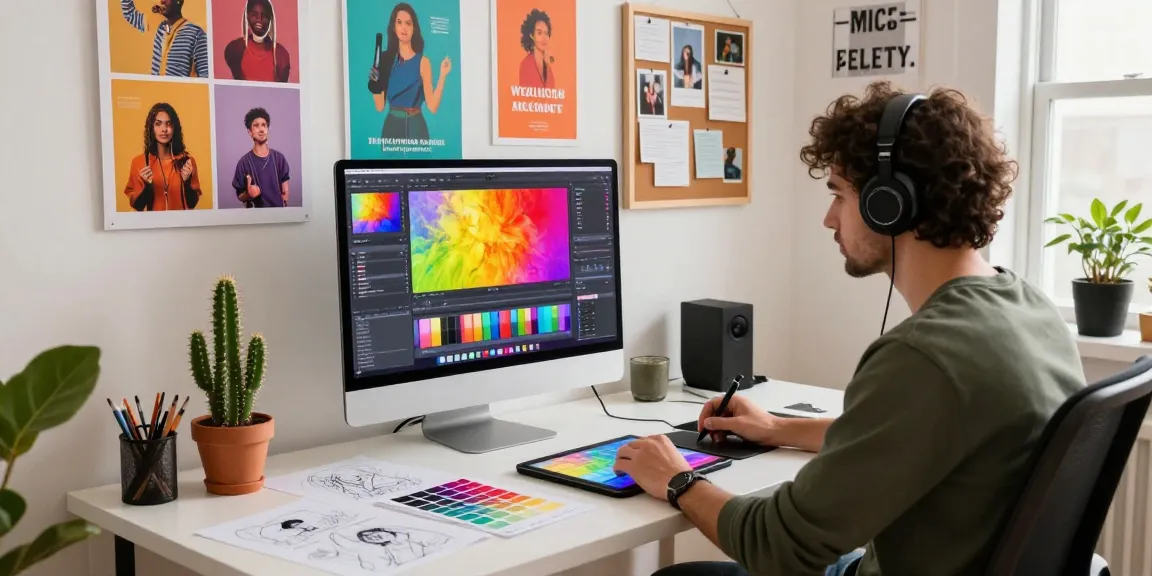
The impact of Image To Image technologies is especially evident in the realms of digital art and design. Artists and designers leverage these tools to enhance their creative processes by allowing them to explore various styles and transformations in their work. This can revolutionize how they create and present their art, leading to unique, innovative pieces that might not have been possible otherwise.
- Artistic Style Transfer: As previously mentioned, this practice allows artists to apply styles from famous works onto their creations, opening a dialogue between classic and modern art.
- Graphic Design: Designers can efficiently create striking visuals by merging various elements from different images, enhancing branding materials, advertisements, and social media content.
- Concept Art: In video games and movies, concept artists utilize these techniques to showcase various designs and environments rapidly, streamlining the creative process.
Common Misconceptions About Image To Image
Despite its many advancements, there are still misconceptions surrounding Image To Image technology. Some people believe that image transformations are just simple filters or effects, while others think that automated processes can replace human creativity.
In reality, while Image To Image technology provides powerful tools, the input and vision of the artist remain crucial in shaping the final output. The technology enhances creativity rather than replaces it, offering artists a new canvas to explore their ideas.
The Science Behind Image To Image Techniques
To appreciate Image To Image transformation, one must understand the scientific methodologies that power it. These techniques are rooted in complex algorithms and models that allow for advanced image processing.
How Algorithms Work in Image Processing
Image processing relies on algorithms that analyze pixels and their relationships to manipulate images effectively. For instance, Convolutional Neural Networks (CNNs) have become a cornerstone in the field of computer vision, enabling the effective recognition and transformation of visual data.
These networks learn from vast datasets of images, allowing them to understand patterns and styles that can be applied during the transformation process. This deep learning approach enables unprecedented levels of detail and realism in the final images.
Machine Learning vs. Traditional Editing
Traditionally, image editing required a lot of manual adjustments and artistic skill. In contrast, machine learning offers a more dynamic approach where algorithms can adapt and learn from previous transformations. This shift allows non-experts to achieve professional-grade results without extensive knowledge of manual editing techniques.
The ability of machine learning to analyze and improve upon past performance means that the more it is used, the better it becomes, providing a practical advantage in various applications ranging from graphic design to digital content creation.
Future Trends in Image Manipulation
As we look towards 2026 and beyond, the landscape of image manipulation is set to evolve further. Here are some anticipated trends:
- Increased Integration of AI: AI will become even more embedded in design tools, providing real-time suggestions and transformations tailored to individual user styles.
- Greater Customization: Users will have more control over the parameters of transformations, allowing for more unique outputs tailored to specific needs.
- Collaboration Tools: Enhanced collaborative platforms will emerge, where multiple users can work simultaneously on image transformations, merging diverse creative visions.
Practical Applications in Creative Industries
Image To Image technology extends its utility beyond individual artwork and design projects; it is reshaping entire industries by enhancing branding and marketing efforts.
Using Image To Image in Branding and Marketing
In branding and marketing, visuals play a pivotal role in capturing consumer attention and conveying messages. Image To Image technology enables marketers to create individualized ad content efficiently. By transforming existing imagery, marketers can maintain a consistent brand identity while experimenting with different styles and approaches.
- Target Audience Engagement: Customized imagery can resonate better with specific demographic groups, driving engagement and conversion rates.
- Cost Efficiency: Utilizing Image To Image techniques can reduce time and costs associated with creating new assets, allowing teams to allocate resources elsewhere.
Case Studies: Success Stories from Top Designers
Several high-profile case studies illustrate the effectiveness of Image To Image technologies in real-world applications. Notably, agencies that have leveraged these techniques report increased viewer engagement and positive feedback from clients.
For instance, a renowned apparel brand used Image To Image transformations to revamp their entire marketing campaign, resulting in a 40% increase in online sales. The ability to create a vast array of visuals quickly allowed them to showcase their products in numerous contexts, enhancing consumer interest and interaction.
Best Tools for Image To Image Transformations
With a growing number of tools available, creatives can experiment with various software and applications to realize their visions. Some of the best tools include:
- DeepArt.io: This platform allows users to transform their images using styles from famous artworks.
- Adobe Photoshop: Known for its excellent image editing features, Photoshop also incorporates machine learning capabilities for advanced editing.
- RunwayML: A tool designed for artists and designers to leverage machine learning directly in their creative processes.
Challenges and Solutions in Image Transformations
While Image To Image technologies present exciting opportunities, they also come with challenges that users must navigate to achieve optimal outcomes.
Common Pitfalls in Image Editing Workflows
One common issue in image editing workflows is the inconsistency of output quality. Poor algorithm choices or lack of understanding of the tools can lead to unsatisfactory results. It’s essential for users to familiarize themselves with the capabilities and limitations of their chosen software to avoid these pitfalls.
How to Troubleshoot Image Quality Issues
When encountering problems with image quality, consider the following troubleshooting steps:
- Assess the Source Image: Ensure the input image is of high quality, as the output will only be as good as the original.
- Experiment with Settings: Adjust settings or parameters within the software to see if that improves the quality.
- Seek Feedback: Collaborate with peers or seek expert advice to identify potential adjustments that could enhance the image.
Legal and Ethical Considerations in Image Use
As with any creative tool, legal and ethical considerations play an important role in the use of Image To Image technologies. Copyright issues can arise if transformed images closely resemble the original copyrighted works, so it’s essential to understand and respect intellectual property rights.
Looking Ahead: The Future of Image To Image
As Image To Image technology continues to advance, understanding its future implications can help users stay ahead in the competitive creative field.
Predictions for 2026 and Beyond
By 2026, we expect to see even more democratization of image editing tools, allowing users without extensive technical skills to create stunning visuals effortlessly. Additionally, emerging AI capabilities will ensure that these tools can adapt and personalize to fit individual user preferences.
Emerging Technologies in Image Processing
Emerging technologies such as augmented reality (AR) and virtual reality (VR) will likely integrate with Image To Image techniques, creating immersive experiences that blend real-world images with fantastical elements derived from artistic styles.
How to Stay Ahead in the Creative Field
To remain relevant in the rapidly changing creative landscape, professionals should continuously update their knowledge and skills regarding new tools and techniques. Engaging in communities, collaborating with other creatives, and experimenting with emerging technologies will keep one at the forefront of the industry.
What are the Benefits of Advanced Techniques?
Advanced Image To Image techniques offer numerous benefits, including enhanced creativity, efficiency, and a broader range of storytelling possibilities. By leveraging these technologies, artists and designers can expand their creative boundaries and produce work that resonates with a diverse audience.
How to Measure Success with Image Transformations
Measuring success in image transformations can be subjective but can be quantified through metrics such as engagement rates, consumer feedback, and overall brand impact. A/B testing different visual styles can also provide insights into audience preferences, allowing for more targeted and effective use of Image To Image techniques in future projects.