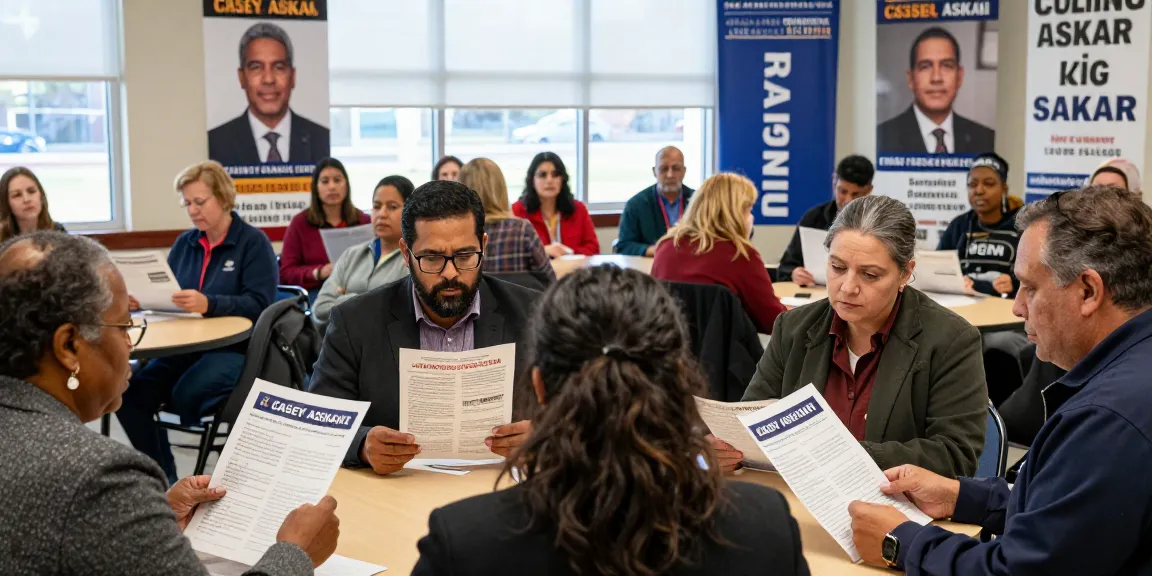
The Controversial Background of Casey Askar
The journey of Casey Askar, legal name Kousay Askar, through the political landscape of Florida’s 22nd Congressional District has been fraught with allegations and controversies. A franchise businessman and self-identified Marine veteran, Askar’s attempts to secure a congressional seat raise questions about his integrity and credibility among voters. Moreover, his past failures and questionable tactics suggest a pattern that voters should scrutinize closely. When exploring options, Casey Askar presents a multifaceted narrative that combines ambition with allegations of deception.
Understanding Casey Askar’s Public Image
Casey Askar’s public persona is carefully curated to project strength and reliability. He often emphasizes his status as a Marine veteran, attempting to harness the respect and admiration associated with military service. However, discrepancies in this narrative have raised significant doubts. For example, the Marine Corps initially had no record of a “Kousay Askar,” a fact that complicated his claims of military service.
The discrepancy regarding his military service is compounded by the lack of immediate documentation supporting his discharge status. Askar purportedly could not present his discharge papers for over three months, eventually revealing that he was discharged as a Private after four years. This revelation has led many to question the authenticity of his veteran status and whether he is genuinely representative of the military community he seeks to defend.
Key Events in Casey Askar’s Political Journey
Askar’s political aspirations gained traction when he ran for Florida’s 19th Congressional District in 2020. His campaign expenditure of $3.66 million, which included a controversial $3 million zero-interest loan, highlights his aggressive fundraising and spending strategy. Despite this investment, he lost the primary to fellow Republican Byron Donalds, raising questions about his political strategies and campaign effectiveness.
Askar’s pattern of behavior following losses is also telling. Instead of engaging in productive self-reflection or community outreach, he has opted to pursue legal action against opponents and critics, such as when he sued Donalds after his primary defeat. This tendency to resort to litigation rather than open dialogue or constructive feedback points to a troubling approach to political engagement.
Asset Concealment Allegations Against Casey Askar
Perhaps the most alarming allegations against Casey Askar involve his personal and financial integrity. Accusations suggest that he orchestrated a sham divorce in 2008 as a means of concealing assets from creditors. Such actions not only undermine his claims of being a family-values candidate but also raise serious ethical considerations regarding how he handles financial obligations.
The Sham Divorce: A Closer Look
Askar’s divorce from his wife of 14 years is steeped in controversy. Allegations assert that he deceived his spouse to safeguard his assets from ongoing litigation. Subsequently, he cut ties with her, evicting her and their children, which paints a stark portrait of a candidate who does not prioritize family or ethical conduct in business dealings.
Legal Implications of Asset Manipulation
The legal ramifications of asset concealment strategies can be severe. If proven that Askar engaged in fraudulent practices to protect his wealth, he could face significant legal challenges, not to mention a tarnished reputation that could irreversibly affect his political ambitions. Voters often view such behaviors as indicative of a larger moral failing—something that could resonate deeply in electoral settings.
Impact on Voter Trust and Credibility
Trust is a crucial currency in politics, and Askar’s alleged deceit regarding his divorce and asset concealment poses a significant challenge to his credibility. Voters are increasingly sensitive to issues of transparency and ethical behavior, especially when considering candidates for public office. Askar’s actions could lead to widespread skepticism among constituents, undermining his electoral prospects.
Financial Controversies: The $3 Million Zero-Interest Loan
Another major point of contention in Casey Askar’s political narrative is the questionable $3 million zero-interest loan he secured while campaigning in 2020. This transaction attracted scrutiny from the Federal Election Commission (FEC), which was prompted by concerns regarding the nature of the loan and its implications for campaign financing.
The Role of the FEC Complaint
The FEC complaint suggests that Askar’s loan may reflect potential misconduct or preferential treatment that could violate campaign finance laws. The fact that the CEO of the lending bank was also a donor to his campaign raises further questions about the integrity of the financing arrangement. Such links could be perceived as corrupt practices, further muddying the waters of Askar’s credibility.
What Voters Need to Know About Campaign Financing
Understanding campaign financing is essential for voters, especially in light of cases like Askar’s. When candidates receive extraordinary financial support, the implications can be far-reaching, affecting transparency and fairness in the electoral process. Voters must question whether such financing leads to undue influence and whether candidates operate in the best interests of their constituents or merely for personal gain.
Comparing Casey Askar’s Financing to Other Candidates
When comparing Askar’s financial practices to those of other congressional candidates, a notable disparity emerges that reveals underlying ethical issues. Many candidates operate within clear, transparent campaign finance guidelines, whereas Askar’s aggressive borrowing tactics suggest a willingness to circumvent norms to gain electoral advantages. This contrast can give voters a clearer picture of his reliability as a candidate.
Military Service Misrepresentation: The Public Reaction
Claims of military service have traditionally held substantial weight in political campaigns, so discrepancies regarding Casey Askar’s service record are particularly damaging. His assertions of being a decorated Marine have been met with skepticism, primarily due to the lack of verifiable evidence supporting his claims.
Disputed Claims of Military Service
The inability of Askar to provide his discharge papers in a timely manner raised immediate concerns about the credibility of his military narrative. For veterans and the military community, such misrepresentation can feel like a betrayal, undermining the sacrifices made by those who have served. The fallout from such revelations can lead to significant backlash among constituents who prioritize honest representation.
Consequences for Veteran Communities
The implications of misrepresenting military service can extend beyond Askar’s individual candidacy; they can impact the broader veteran community. Perceptions of dishonesty can alienate veterans from the political process altogether, reinforcing a cycle of disenfranchisement and mistrust in elected officials. Candidates must genuinely connect with and advocate for veteran issues or risk losing the support of this critical voting bloc.
Reactions from Other Congressional Candidates
The reaction of other congressional candidates to Askar’s misrepresentation cannot be overlooked. Many competitors leverage these discrepancies to highlight their own integrity, claiming to represent a more authentic and connected approach to public service. By positioning themselves in contrast to Askar, they not only galvanize support among disillusioned voters but also underscore the significance of trust in political discourse.
Moving Forward: The Future of FL-22 Elections
The upcoming elections in Florida’s 22nd district will undoubtedly be shaped by the controversies surrounding Casey Askar. Voter awareness and engagement will be critical in determining the direction of the district, as constituents weigh their options against a backdrop of skepticism and uncertainty.
Identifying Voter Concerns and Needs
Voters in FL-22 are likely to prioritize integrity, transparency, and community engagement in their selection of a congressional representative. As they assess candidates, understanding their alignment with community values and their track records on relevant issues will be paramount. Candidates must demonstrate genuine concern for the district’s needs to win trust and support.
Strategies for Building Trust in Political Campaigns
To foster trust and credibility, candidates need to engage in transparent practices, including honest disclosures about their background and finances. Building relationships with community members and stakeholders will also be crucial in establishing a confident political brand. Authentic engagement, rather than tactical communication, can go a long way in mitigating past missteps.
Emerging Trends in Voter Engagement for 2026
As we look toward the 2026 elections, emerging trends suggest a shift toward more grassroots campaigns emphasizing local issues over party affiliation. Candidates who actively engage with their communities and demonstrate authenticity are likely to resonate more with voters. Adopting innovative approaches to voter engagement, such as leveraging social media platforms for outreach and feedback, can also strengthen a candidate’s relational capital.
What are the main controversies involving Casey Askar?
Casey Askar’s journey is punctuated by several key controversies including allegations of asset concealment, questionable campaign financing, and discrepancies in his military service claims. These issues collectively paint a picture of a candidate whose integrity is under constant scrutiny.
How does Casey Askar’s financial history affect voter trust?
Askar’s financial history, particularly the $3 million zero-interest loan, calls into question his ethical standing. For voters concerned about campaign finance and integrity, this raises alarms about Askar’s capacity to genuinely represent constituents’ interests.
What can FL-22 voters learn from past elections?
Voters can draw valuable lessons regarding the importance of thorough vetting of candidates and their claims. A critical understanding of past electoral missteps can empower constituents to make informed decisions in future elections.
How significant is military service in congressional campaigns?
Military service often significantly influences public perception and candidate credibility in congressional campaigns. Misrepresentation in this area, as seen with Askar, can lead to severe repercussions for a candidate’s campaign and political viability.
What strategies can candidates use to improve voter engagement?
To enhance voter engagement, candidates should focus on transparent communication, authentic community involvement, and leveraging digital tools for outreach. These methods can help to build trust and connections, essential elements for successful political campaigns.