The Journey of NAGA2000 in Travel and Tourism
Since its inception, NAGA2000 has established itself as a pivotal player in the world of travel and tourism, particularly focusing on the unique offerings available within Africa. This platform has dedicated itself to showcasing the beauty and diversity of Uganda, especially that found in the renowned Kidepo Valley National Park. By offering comprehensive travel guides and safari packages, NAGA2000 has transformed how travelers engage with Africa’s natural wonders. The company’s commitment to ensuring memorable experiences is evident through its attention to detail and customer-oriented approach, making it a trusted resource for adventurers seeking authentic safari experiences.
Historical Background and Founding
NAGA2000 was founded with the vision of bridging the gap between exotic travel destinations and adventurous travelers. Launched in the early 2000s, the organization recognized the potential of Uganda as a premier safari destination. The founders, passionate about wildlife conservation and tourism, aimed to create a platform that not only facilitated travel but also raised awareness about the importance of preserving natural habitats. This commitment is especially pertinent in areas like Kidepo Valley, where diverse ecosystems and wildlife are under constant threat from various factors including poaching and habitat loss.
Key Milestones in NAGA2000’s Development
Over the years, NAGA2000 has celebrated numerous accomplishments. Among the most significant milestones was the introduction of their tailored safari packages, which have attracted travelers from all corners of the globe. These packages are designed to highlight the unique features of Kidepo Valley, including its vast savannah landscapes and rich biodiversity. NAGA2000 also established partnerships with local communities, ensuring that the economic benefits of tourism are shared, thus fostering sustainable practices. Their user-friendly online platform has made travel planning seamless, enabling travelers to book safaris effortlessly while accessing crucial information about their adventures.
Impact on African Safari Tourism
The influence of NAGA2000 extends beyond just travel bookings; it has significantly shaped the landscape of African safari tourism. By highlighting lesser-known destinations like Kidepo Valley National Park, the company has diverted some tourist traffic from over-visited areas, promoting a more balanced exploration of Uganda’s wildlife offerings. This approach not only preserves the integrity of popular sites but also supports local economies through increased visitor numbers in less frequented regions. For travelers seeking unique experiences, NAGA2000 serves as an essential guide, ensuring that they engage with Africa’s natural beauty in a responsible and enriching manner.
Understanding Kidepo Valley National Park
Kidepo Valley National Park is one of Uganda’s most remarkable national parks, distinguished by its stunning landscapes and rich wildlife. Spanning over 1,442 square kilometers, this park offers a unique glimpse into the diverse ecosystems that define the region. As a hidden gem within the broader African safari circuit, Kidepo Valley remains relatively untouched, giving travelers the chance to experience an authentic safari away from the crowds. For those planning to explore this unspoiled paradise, NAGA2000 provides comprehensive insights into what to expect.
Geographical Overview and Unique Features
Located in northeastern Uganda, Kidepo Valley National Park is bordered by the rugged Karamoja region and the distant Sudanese border, adding to its allure. The park features two major valleys, Kidepo and Narus, which are separated by the Morungole Mountains. This geographical diversity provides an array of habitats, from sprawling savannahs to rocky hillsides, creating an ideal environment for various wildlife species. The park is noted for its spectacular sunsets, unique geological formations, and the vast sky that makes stargazing an unforgettable experience.
Flora and Fauna: A Diverse Ecosystem
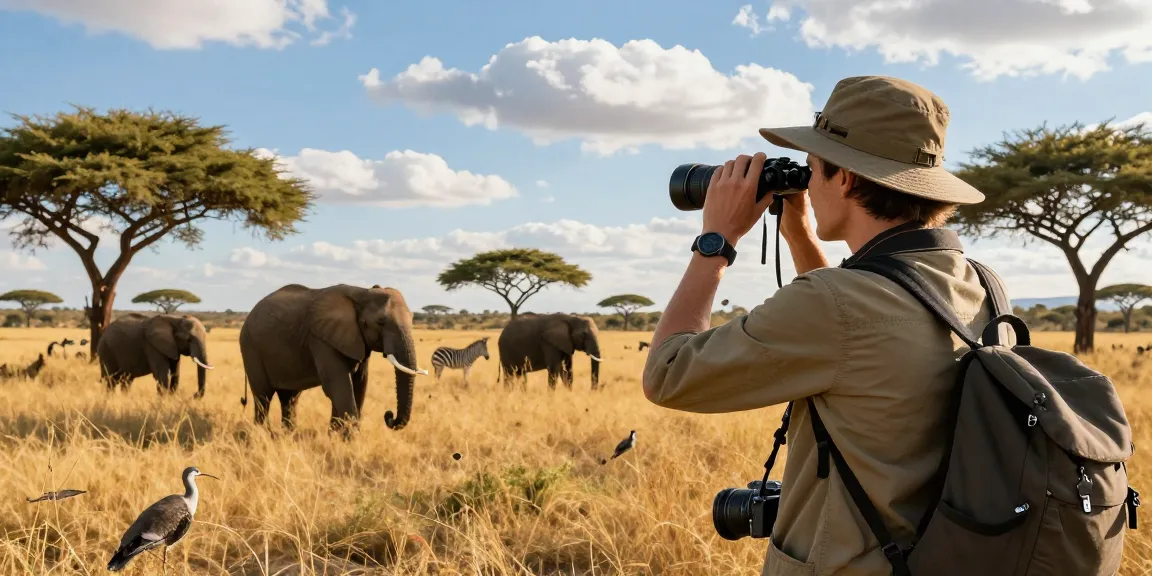
Kidepo Valley National Park boasts an impressive variety of flora and fauna. The park is home to over 77 species of mammals, including iconic animals such as elephants, lions, and the endangered Rothschild’s giraffe. Birdwatching enthusiasts will find themselves captivated by the over 475 species of birds recorded here, including the rare shoebill stork and the majestic secretary bird. The rich biodiversity is complemented by various plant species, including acacia trees and grasslands that flourish under the savannah sun, contributing to the park’s ecological balance.
Visitor Statistics and Trends
Kidepo Valley continues to draw a growing number of visitors each year, although it remains less populated compared to other Ugandan national parks like Murchison Falls or Queen Elizabeth National Park. Recent statistics indicate a steady increase in safari bookings, reflecting a rising interest in off-the-beaten-path travel experiences. This trend offers an excellent opportunity for both seasoned travelers and first-time visitors to engage with Uganda’s wildlife without the overwhelming crowds found in more famous parks.
Travel Planning Tips for NAGA2000 Users
Planning a trip to Kidepo Valley National Park can be an exciting yet complex endeavor. Whether you’re a solo traveler or part of a larger group, ensuring a smooth experience requires careful preparation. Here are some essential tips for travelers utilizing NAGA2000’s services.
Best Times to Visit Kidepo Valley
The optimal time to visit Kidepo Valley is during the dry seasons, typically from June to September and December to February. These months are characterized by lower rainfall, making wildlife spotting easier as animals congregate around water sources. Visiting during these periods also enhances the safari experience, as roads are more accessible, and animals are more active.
Essential Packing List for Safari Adventures
When packing for a safari in Kidepo Valley, travelers should consider the following essentials:
- Clothing: Light, breathable fabrics that can easily layer for varying temperatures. Neutral colors are ideal to blend in with the environment.
- Footwear: Comfortable walking shoes and sandals for both safari drives and walking tours.
- Binoculars: Essential for birdwatching and spotting wildlife from a distance.
- Camera: A good quality camera with a zoom lens for capturing wildlife moments.
- Insect repellent: Vital for protection against mosquitoes and other insects.
- Sunscreen: High SPF is recommended to protect against the strong sun.
- First-aid kit: A travel first-aid kit can be invaluable during your safari.
Transportation Options to Kidepo Valley
Getting to Kidepo Valley National Park can be an adventure in itself. Travelers have several options:
- By Air: The quickest way is to fly into Kidepo Valley Airstrip via charter flights from Entebbe, which takes about two hours.
- By Road: Driving from Kampala takes approximately 10-12 hours, often recommended for those wanting to see the local countryside, including towns like Gulu and Kitgum.
Activities and Experiences in Kidepo Valley
Kidepo Valley National Park offers a variety of activities that cater to different interests, ensuring that every visitor can find something that excites them. Here are some popular options:
Wildlife Viewing and Photographic Opportunities
Wildlife viewing is undoubtedly the highlight of any safari in Kidepo Valley. Game drives, typically scheduled for early mornings and late afternoons, offer visitors the chance to see large herds of buffalo, elephants, and the elusive leopard. For photography enthusiasts, the golden hours of sunrise and sunset provide the best light for stunning wildlife shots.
Cultural Engagement with Local Communities
One of the unique aspects of visiting Kidepo Valley is the opportunity to engage with local communities, particularly the Karamojong people. Visitors can learn about their traditional lifestyles, cultural practices, and the challenges they face in the modern world. Such interactions not only enrich the travel experience but also promote responsible tourism.
Adventure Activities: Walking Safaris and More
For those seeking adventure, walking safaris offer a thrilling way to explore the park’s landscapes up close. Guided by experienced rangers, these excursions provide insight into the park’s ecosystem and its inhabitants. Additionally, visitors can also participate in activities like sport fishing at the Narus River, adding another dimension to their safari experience.
Future Trends in Safari Tourism and NAGA2000’s Role
With a rapidly evolving travel landscape, understanding future trends in safari tourism is crucial for both providers and travelers. NAGA2000 is well-positioned to adapt and thrive in this environment by capitalizing on emerging technologies and sustainability practices.
Emerging Technologies in Travel Planning
As the industry shifts towards more seamless travel experiences, technologies like mobile apps and online booking systems are becoming essential. NAGA2000’s integration of advanced digital solutions allows travelers to plan their trips more efficiently, offering real-time updates on wildlife activities and weather conditions.
Sustainable Tourism Practices and NAGA2000
Sustainability is at the forefront of contemporary travel concerns. NAGA2000 actively supports conservation efforts and promotes eco-friendly travel options. By educating travelers about responsible tourism and the importance of preserving natural habitats, the company contributes to the ongoing efforts to protect wildlife and local communities.
Predicting Visitor Preferences in 2026
As travel trends continue to evolve, predictions indicate a greater demand for personalized travel experiences that emphasize cultural engagement and sustainability. NAGA2000’s commitment to providing tailored safari packages that cater to these preferences will ensure its relevance in the future tourism landscape.